Five ways to Instantly Upgrade Your Older Pet's Life

Small changes can make a big difference to your senior pet’s comfort, happiness and wellbeing.
As our pets get older, their needs gradually change. They may become less mobile, sleep more, lose interest in activities they once loved, or find everyday tasks a little more challenging.
But growing older doesn't mean they can't continue to enjoy a wonderful quality of life. In fact, some of the most effective ways to support an ageing pet are surprisingly simple.
At Roundwood Pet Hospice, we believe that caring for older pets isn't just about managing medical conditions. It's also about making their everyday lives as comfortable, enjoyable and fulfilling as possible.
Here are five simple things you can look at today that could make a real difference to your older dog or cat.

1. Make Mealtimes Easier and More Enjoyable
Eating is often one of the highlights of our pets' day, but as they age, mealtimes can become more challenging.
Arthritis, dental problems, reduced appetite and changes in their sense of smell can all affect how much they enjoy their food.
Take a moment to watch your pet eating. Do they seem comfortable? Are they struggling to reach their bowl? Do they lose interest halfway through a meal?
Small changes to consider:
Try smaller, more frequent meals. Some older pets find several smaller meals throughout the day more appealing than one or two larger portions.
Think about bowl placement. Make sure food and water are easy to reach, particularly if your pet struggles with stairs or slippery floors.
Experiment with food textures. Softer or moistened food may be easier for pets with dental discomfort or difficulty chewing.
Make food more appealing. Gently warming wet food can help release its aroma, which may encourage pets with a reduced sense of smell to eat.
Remember that a change in appetite isn't always simply a sign of ageing. If your pet is eating less, losing weight or showing signs of discomfort, it's worth discussing this with your vet.

2. Create the Perfect Place to Rest
Older pets often spend much more time sleeping, so having somewhere comfortable to rest becomes increasingly important.
Just like us, they may develop stiff joints, feel the cold more easily or find it difficult to get comfortable.
Take a look at your pet's favourite sleeping spots. Are they warm and free from draughts? Can your pet get in and out of their bed easily? Is the bedding providing enough support?
A few simple improvements might include:
Choose a supportive bed. A good-quality, well-padded or orthopaedic bed can help relieve pressure on ageing joints.
Keep them cosy. Position beds away from cold floors and draughty doorways.
Make access easy. Beds with low sides are often easier for older pets to climb into.
Think about practicality. Removable, washable covers are particularly useful if your pet has started having occasional accidents.
And don't forget that your pet may appreciate having several comfortable resting places around the house, especially if they find moving between rooms more difficult.

3. Rethink Their Exercise Routine
Staying active is important for older pets, helping to maintain muscle strength, joint mobility and mental wellbeing.
However, the exercise routine that suited your dog at five years old may not be quite right at fifteen.
Rather than focusing on how far your pet can walk, think about how much they enjoy the experience and how comfortable they are afterwards.
For older dogs:
Consider several shorter walks instead of one long outing.
Allow plenty of time for sniffing. A gentle sniff-filled walk can be just as enriching as a longer, faster one.
Try occasionally changing your route to introduce new smells and experiences.
Pay attention to how your dog feels later in the day or the following morning. Increased stiffness or tiredness may mean they've done a little too much.
For older cats:
Cats benefit from gentle activity too, even if they're spending more time indoors.
Short, easy play sessions with a wand toy, a slowly moving ball or a favourite toy can help encourage movement without putting too much strain on their joints.
The key is to adapt activities to what your pet can comfortably manage rather than stopping them altogether.
4. Adapt Their Grooming Routine
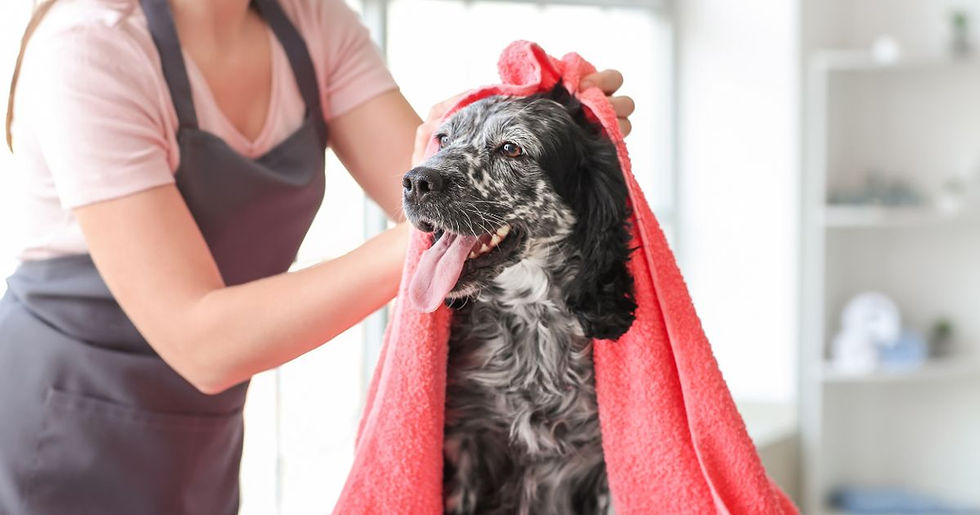
As pets age, grooming can become more difficult or uncomfortable.
Dogs with arthritis may struggle to stand for long periods, while cats can find it increasingly difficult to twist and reach certain areas of their bodies.
You might notice your older cat developing tangles or matted fur, particularly around their back and hindquarters. This can sometimes be an early clue that they're experiencing stiffness or discomfort.
Ways to help include:
Switch to softer brushes. Older pets may have more sensitive skin or find vigorous grooming uncomfortable.
Keep sessions short. Several gentle grooming sessions may be better tolerated than one long session.
Help your cat reach tricky areas. Gentle brushing can prevent painful matting in areas they can no longer groom themselves.
Speak to your groomer. Make sure they're aware of any mobility problems, painful joints or medical conditions so they can adapt their approach.
Grooming is also a wonderful opportunity to spend some quiet, one-to-one time with your pet.
While you're brushing, you can gently check for new lumps, skin changes or areas of sensitivity that might need veterinary attention.

5. Keep Their Minds Busy
It's easy to focus on physical health as pets get older, but mental stimulation is just as important.
An older dog who can no longer manage long walks still wants to explore, investigate and interact with the world. Similarly, a senior cat may not leap around after toys as enthusiastically as they once did, but they can still enjoy playing and problem-solving.
Try introducing a little extra enrichment into their day:
Hide a few treats around a room for your dog to sniff out.
Use a simple puzzle feeder or snuffle mat.
Encourage your cat to find treats hidden in easy-to-reach places.
Offer gentle interactive play sessions.
Rotate familiar toys to keep things interesting.
And perhaps most importantly, make sure your older pet still feels part of family life.
If they can no longer climb onto the sofa or follow you upstairs, consider creating a comfortable spot close to where everyone spends their time.
Sometimes, simply being near the people they love is the best enrichment of all.
Bonus Tip: Make Your Home Easier to Navigate
One of the biggest improvements you can make for an older pet is to look at your home from their perspective.
Slippery floors, steep steps and favourite resting places that have become difficult to reach can all make everyday life more challenging.
Fortunately, a few inexpensive changes can make an enormous difference.
For dogs:
Place non-slip rugs or runners on wooden, laminate or tiled floors.
Consider ramps for steps or access to favourite places, if your dog can use them safely.
Keep food, water and beds on the same floor whenever possible.
Make sure routes through the house are clear of obstacles.
For cats:
Provide steps or sturdy intermediate platforms so they can still reach favourite windowsills or sofas.
Choose litter trays with low entrances to make access easier.
Ensure food, water and litter trays can be reached without climbing stairs.
Consider adding extra litter trays around the house.
A pet who feels secure moving around their home is more likely to remain active, independent and confident.
It's the Little Things That Matter
Helping our pets grow older comfortably doesn't always require big changes or expensive equipment.
Sometimes it's as simple as moving a food bowl, adding a soft rug, adjusting a walking routine or spending five minutes playing a gentle game.
These small acts of care can make a meaningful difference to your pet's day-to-day happiness.
Of course, changes in mobility, appetite, grooming habits or behaviour can also be signs of underlying health problems, including pain. It's important not to dismiss these changes as simply getting old. A veterinary assessment can help identify treatable conditions and ways to keep your pet comfortable.
At Roundwood Pet Hospice, we're passionate about helping older pets live well, not just live longer.
Our veterinary team provides compassionate, personalised end-of-life and palliative care in the comfort of your own home. We can help you understand your pet's changing needs and explore ways to maintain their comfort and quality of life as they age.
If you're concerned about your older pet or would like advice on keeping them happy and comfortable, we're here to help.
Find out more at www.roundwoodpethospice.co.uk.